

Sterile Processing is Your Highest Consequence Blind Spot
A hand hygiene lapse affects one patient encounter. A reprocessing lapse affects every instrument that moved through the process while it was happening — and nobody finds out on day one.

The Respiratory Viral Season Planning Window is Already Closing
Most Texas school districts went back this week. School return is the most reliable early signal that respiratory season has started, and your facility won't feel it for a while. That interval is the whole planning window.

"We've Never Disagreed" Is Not Evidence of Agreement (Why We Test Our Own Infection Preventionists Annually)
Every year, our infection preventionists sit down and take a test they can fail. Most infection prevention programs don't do this — and nothing in the reporting process would reveal the problem if it existed.
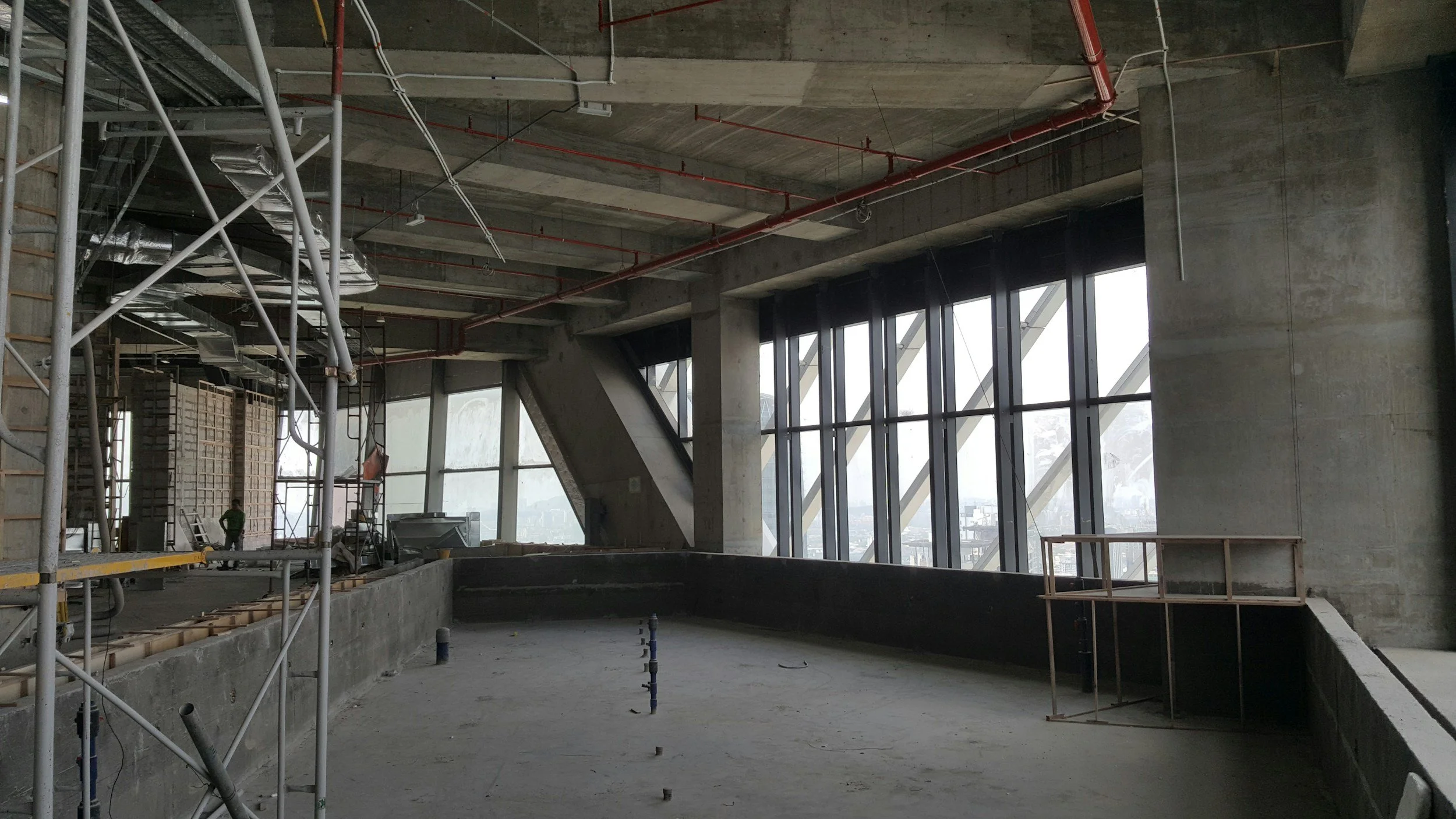
Construction, Water & Air: The Environment Is Not Neutral
Construction or demolition was the probable source in nearly half of documented hospital aspergillosis outbreaks. Air, water, and construction are infection prevention controls — and in most organizations, neither infection prevention nor facilities fully owns them.
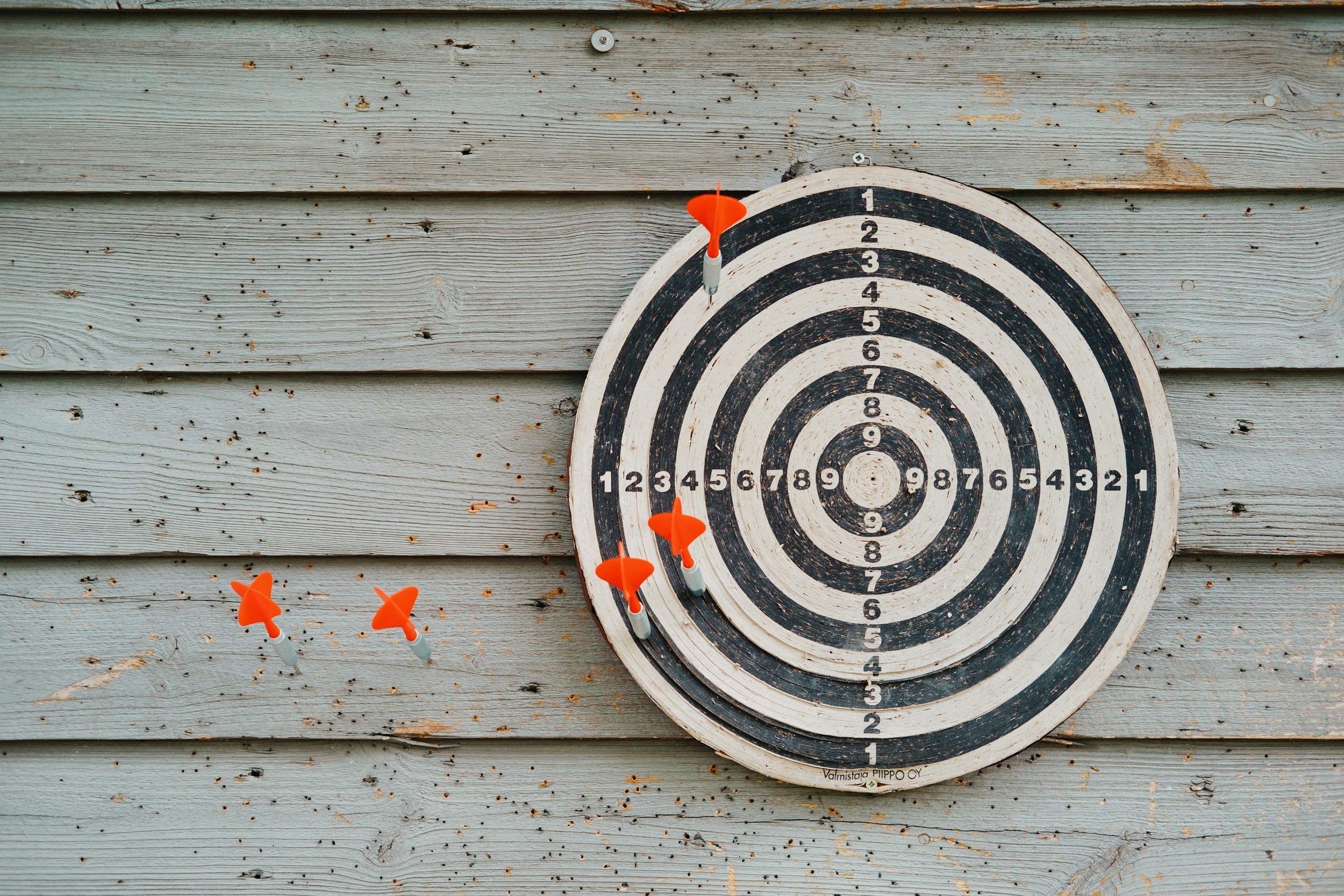
The Near Miss That Never Made the Report
A confirmed infection tells you that something failed. A near miss tells you where the failure began, and it tells you earlier, while correction is still inexpensive
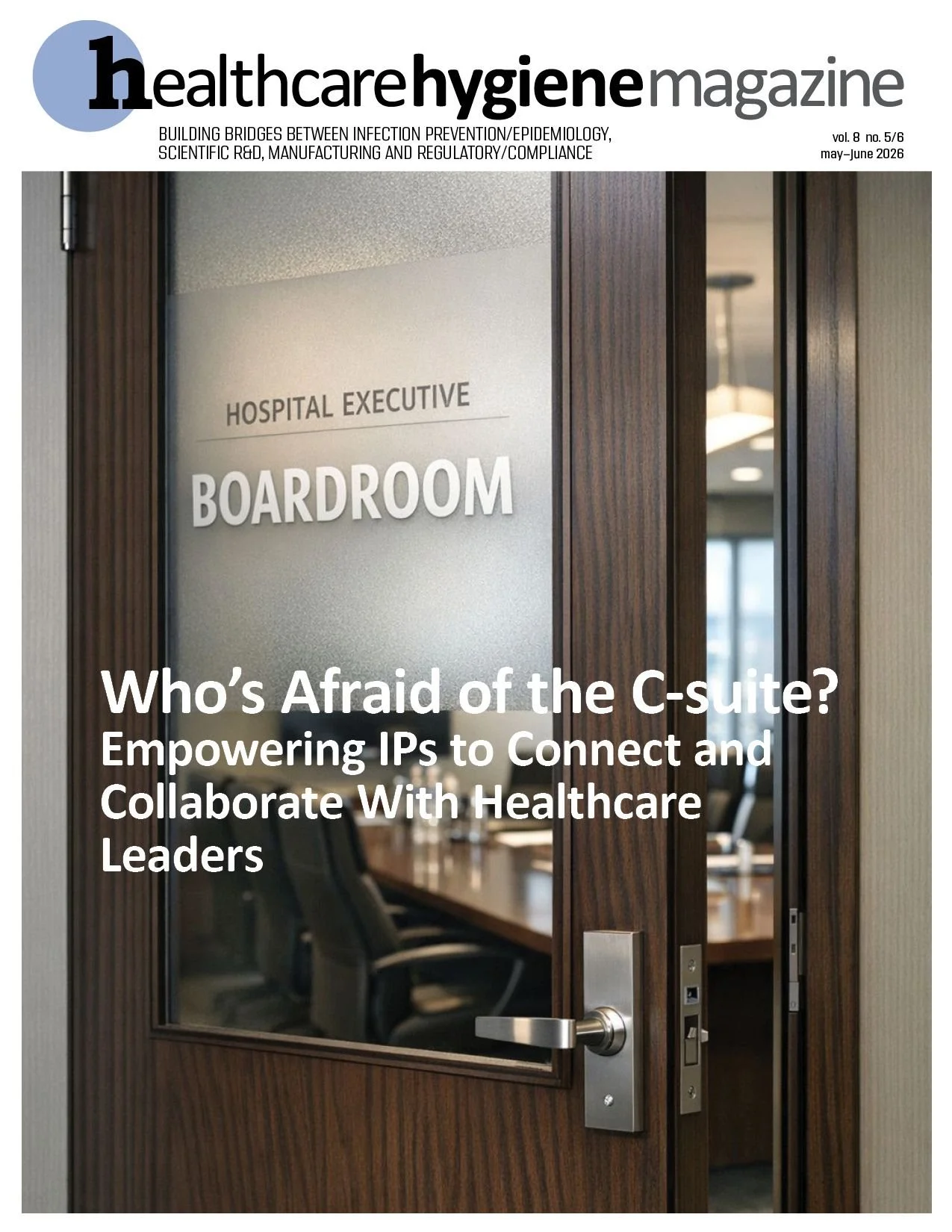
From Surveillance to Strategy: Why Infection Preventionists Must Learn to Speak the Language of Leadership
Most infection preventionists will walk into an outbreak investigation without hesitating. Put them on the operations meeting agenda and the slides get rewritten four times. The gap usually isn't expertise.
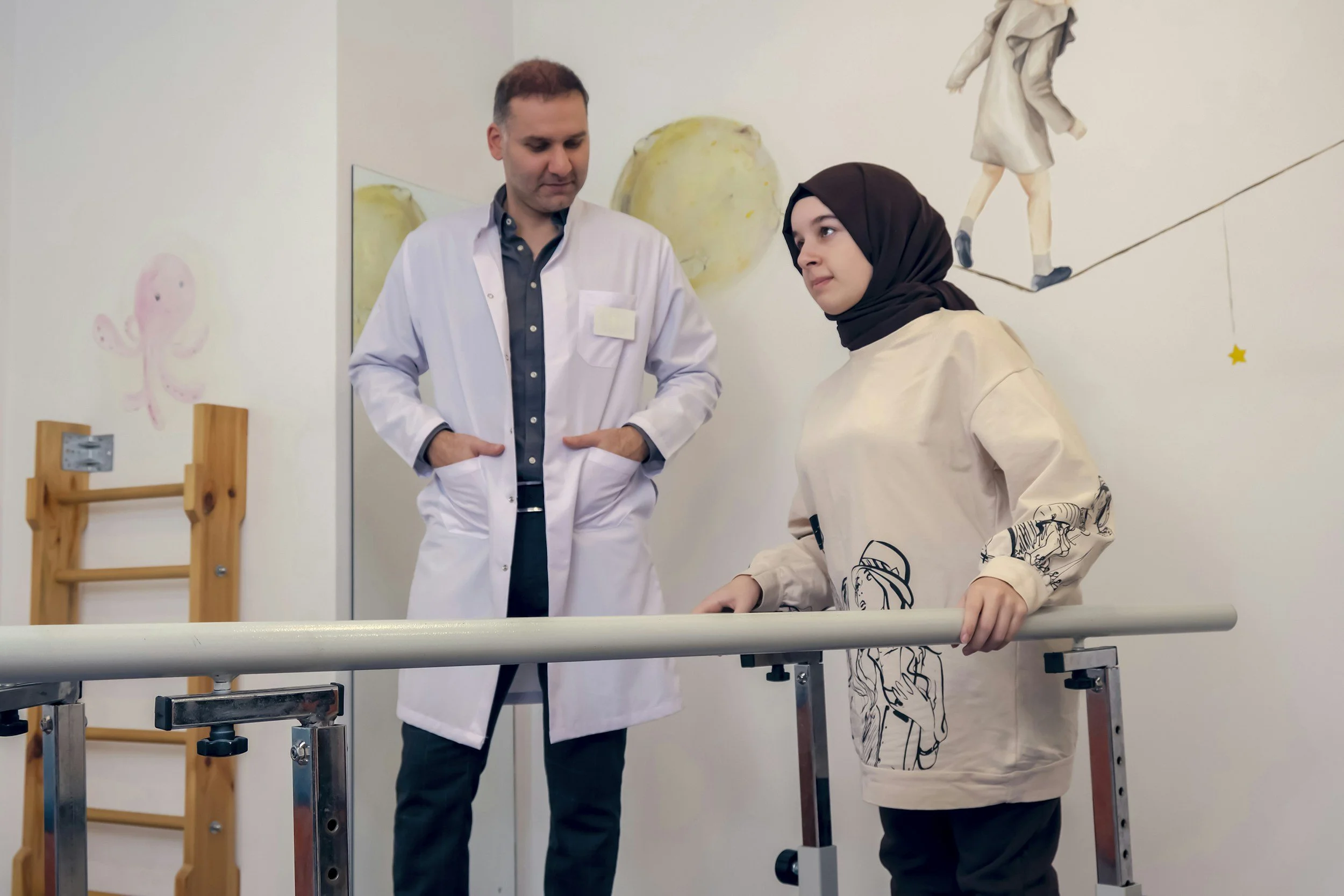
When Infection Prevention and Rehabilitation Work Together, Patients Win
A recent IP&MA study in the inpatient rehabilitation setting highlights a challenge that many healthcare organizations face: balancing the need to prevent infection transmission with the need to maximize patient outcomes. Infection prevention measures are essential, but they should also support the broader goals of patient care whenever possible.
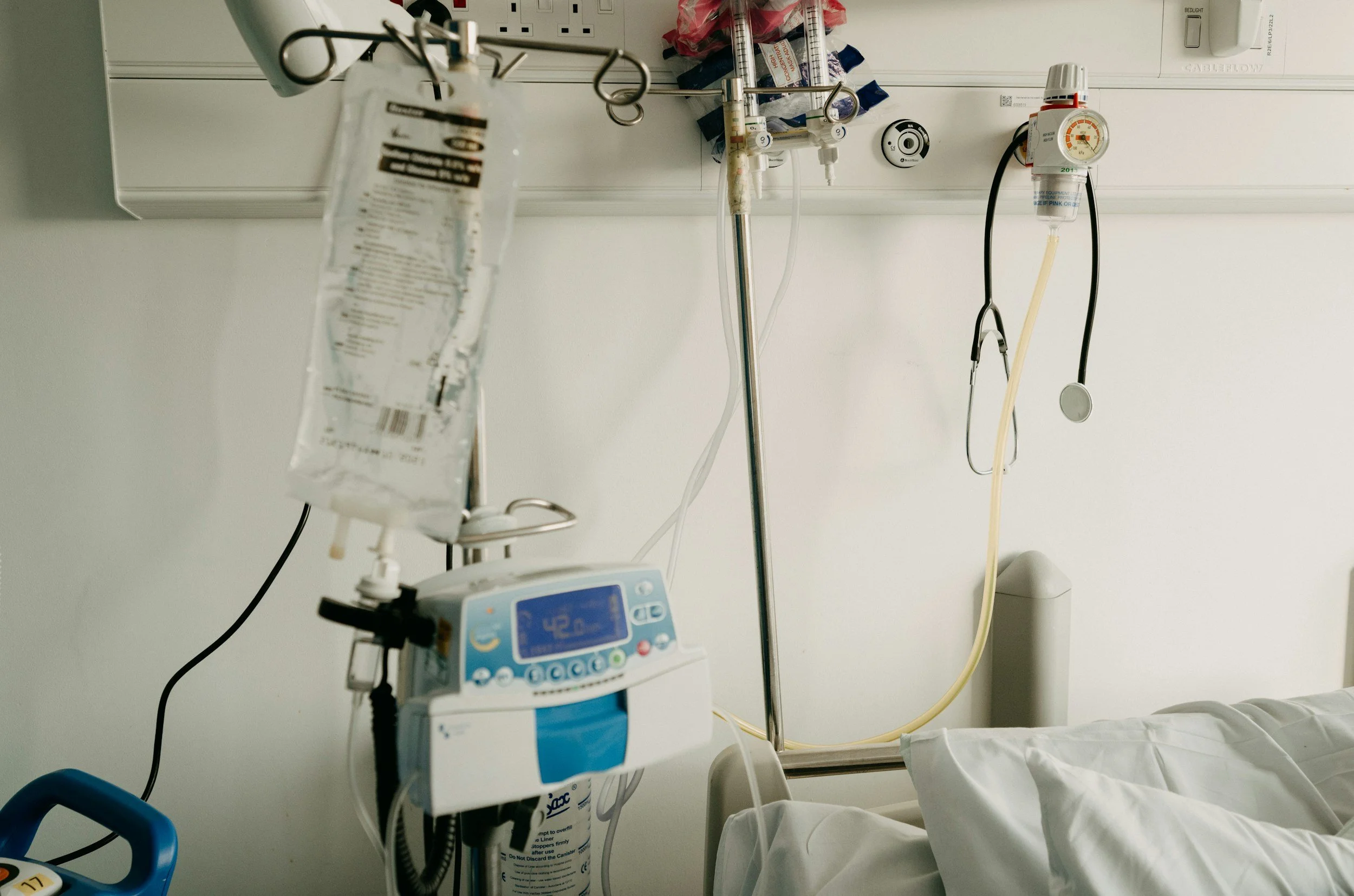
The True Cost of an Infection: What the Numbers Don’t Fully Capture
A patient develops a CLABSI on day 12. The team responds, the infection is managed, and the patient goes home later than they should have. For the organization, the cost is just starting to accumulate.

Can ChatGPT Perform HAI Surveillance? A New Study Offers Important Insights
Can ChatGPT apply NHSN definitions? Our team tested it against validated case scenarios. It was correct 45% of the time — and gave the same answer three times running in only 20% of cases.
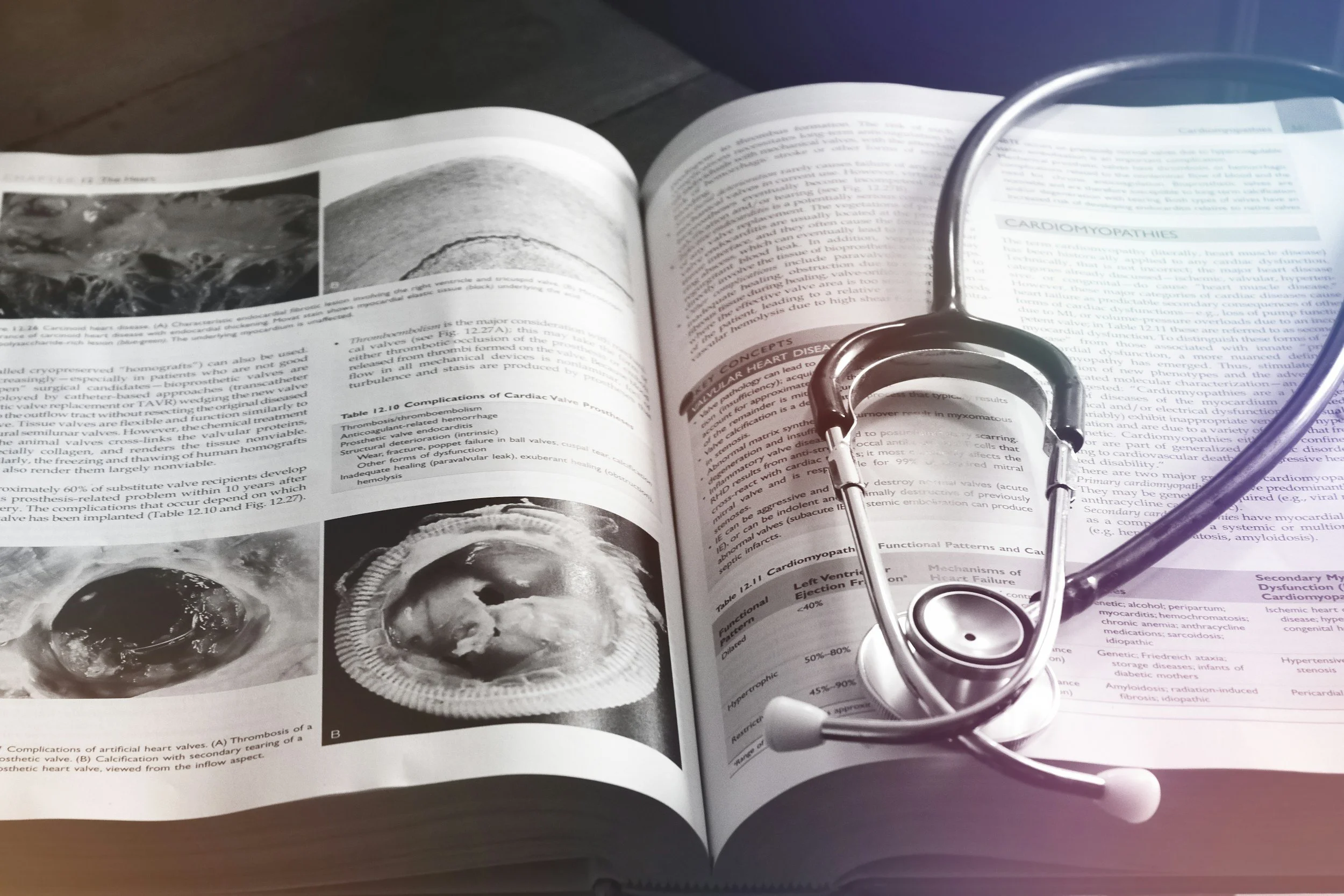
Case-Based Learning Matters in Infection Prevention
A central line placed on day 3. A fever on day 8. One positive culture, one negative, and a surgical wound cultured two days earlier. Is it a CLABSI? Two experienced infection preventionists can read that case carefully and disagree. Case-based learning helps infection preventionists build confidence while improving consistency and reliability in HAI surveillance activities

Making Infection Prevention Program Impacts Across Multiple Care Settings
Infection prevention programs play a vital role in protecting patient health. Our infection preventionists collaborate with multidisciplinary teams across the continuum of care to implement targeted interventions and create meaningful change in how care is provided. IP&MA infection preventionists are driving measurable improvements in acute care, behavioral health, and inpatient rehabilitation settings. Here’s how some of their efforts are making a difference.

IP&MA IPs Support IIPW
Austin area IP&MA infection preventionists gather for International Infection Prevention Week.

Ensuring Accuracy in HAI Surveillance: A Call for Competency Validation
Healthcare acquired infection (HAI) surveillance is a foundational element in infection prevention practice and is typically the most time consuming task in an infection preventionists work day.
Several studies have examined the accuracy and consistency among infection preventionists in applying NHSN definitions. The largest study found that participants incorrectly coded infections more than 1/3 of test cases.

IP&MA at APIC: Sharing IP Research and Best Practices
IP&MA infection preventionists are sharing their work this week on an international stage at the APIC 2025 Annual Conference in Phoenix. The Association for Professionals in Infection Control and Epidemiology conference is an annual meeting where infection preventionists and IP researchers share and discuss research findings in the fields of infection prevention and control and healthcare epidemiology, and exchange ideas and insights that can help improve patient safety and healthcare outcomes. See what we are sharing with the infection prevention community.